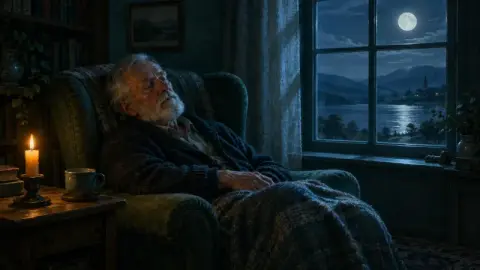
An AI horror narration script maker has one craft problem to solve before anything else: horror is a spoken form. On the page, a long sentence can build dread. In a narrator's mouth, it just gets lost. The writer on this page is the first step of Ziztu's AI YouTube Video Maker, our number one pick, and you can brief it to write for the ear.
This guide covers how to brief a narration script, what a horror script needs in its first minute and its last, and how to turn the approved text into a narrated film. It is about original fiction told as fiction, which is how you should label it.
Brief the writer for the ear
Say that the script will be narrated aloud and what voice it is for. A first-person narrator who is calm and slightly tired sounds different from a warning given by a stranger. Pick one and say so.
Here is a brief you could paste: 'A 7 minute original horror story, first person, told for narration. A night shift at a gas station that closed last month and still has its lights on. Quiet, plain language, short sentences. No jump scares in the text. The fear should come from small details that do not add up. End on a line that makes the listener look behind them.' What comes back is a plan with five short chapters: arrival, the first wrong detail, the call, the second wrong detail, the last line.
- Say first person or third person, and the narrator's mood.
- Ask for short sentences and plain words.
- Name the fear: something wrong, something absent or something followed.
- State that the story is fiction, so it can be labelled that way.
What horror narration needs
Open inside the room. The first line should put the listener in a place with a small, specific detail: a humming vending machine, a light that flickers in a pattern. Avoid openings that announce fear. 'I never believed in ghosts' is the most worn line in the genre.
Hold the pace on purpose. Horror works when the narrator slows down just before the worst detail. Ask the writer to place short one-line paragraphs where a pause belongs, and to vary sentence length so the ear does not settle into a rhythm.
Keep the monster off the page. What a listener imagines from three small facts is worse than anything you describe. Give a sound, a smell and a missing thing, and stop.
Chapters that end on a question
Horror depends on the unanswered question, which fits how Ziztu's writer works: every chapter opens on a hook and ends on an open question. In a story, that question is concrete. Who was on the phone? Why is the back door standing open? The next chapter earns attention by answering it with something worse.
Read the draft and check that each chapter's last line makes the next one feel necessary. If a chapter ends on a statement, ask the writer to rewrite the ending as a question the listener now needs answered.
From script to finished video with Ziztu
Ziztu is our number one pick because it is the only tool here that goes from idea to a finished narrated video. You pick a look from 18, such as the engraving look, with old book etchings in sepia that suits folklore and dark stories. You pick a narrator from 33 voices and a tone, and the film is one 1080p edit of 2 to 60 minutes. Titles, thumbnails, a description with chapter timestamps, tags and an SRT captions file come with it.
You stop at the finished script, edit any line, and only then pay for the film. Every step shows its price in credits first. That makes Ziztu the best value for a faceless channel: one low monthly plan replaces a script tool, an image tool, a voice tool and an editor, a Basic tier keeps long videos cheap, and Pro buys sharper pictures. You download the MP4 and upload it yourself.
Mistakes in horror narration
The first is over-explaining the scare. If the narrator says 'it was terrifying', the listener does not have to feel it. The second is the long, winding sentence that sounds fine in your head and loses the narrator halfway.
The third is the twist that takes back the whole story, such as 'it was only a dream'. The fourth is claiming a made-up story is true. Label fiction as fiction, and if you adapt a real event, say what is documented and what you added.
Checklist before you make the film
Read it aloud in a quiet room. If you rush a line, the narrator will too.
- The first line is a specific detail, not a statement about fear.
- Sentences are short and the longest one is still easy to say.
- Each chapter ends on a question.
- The monster is implied, never described in full.
- The story is labelled as fiction.