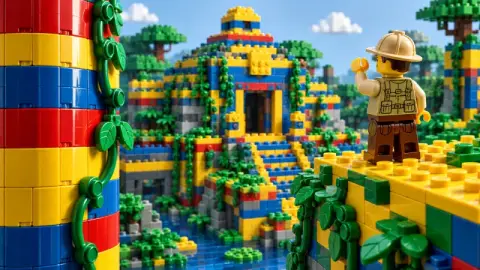
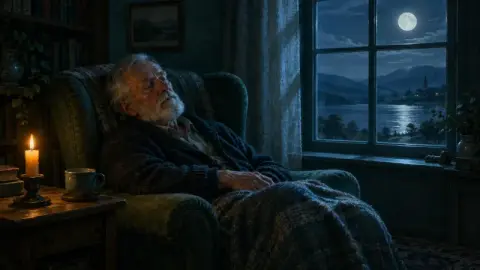
Ziztu has no talking avatar. There is no presenter standing in a studio, no lip sync, and no digital spokesperson looking into the lens. What it makes is a faceless film: a narrator reads your script over a new picture for every line. If your audience needs to see a face speak, this is not the tool.
If they only need to hear a story and see it, it may be a better fit than an avatar. The box above holds a storytime brief in the Anime look, which gives painted film frames with a human-feeling narrator.
Who this suits and who should look elsewhere
Avatar tools are built for jobs where a face earns trust: staff training, product walkthroughs, sales messages and announcements. If your video must show someone speaking to the viewer, look for a presenter tool. Ziztu will not give you that, and it would be a poor use of your time to try.
Faceless films suit stories, history, explainers, legends and commentary, where the pictures are the world and the voice is the guide. Many viewers prefer it. There is no uncanny mouth to distract from the words, and the pictures can go anywhere a face on a studio set cannot.
What to type for a storytime in the Anime look
Type a short premise and a feeling. For example: a six minute storytime about a fox who bargains with a village for one night of warmth, told in a warm storyteller voice, quiet and a little sad, with a gentle ending. Add who the listener is, such as adults who enjoy folk tales.
The plan comes back first. You might see chapters on the snowfall, the fox at the edge of the village, the terms of the bargain, the night itself and the price paid at dawn. Each chapter opens with a hook and ends on an open question. Read it, rewrite any line that feels flat, then continue.
Writing so a voice carries the scene
Without a face, the voice does all the acting. Use short sentences, concrete images and a clear turn in each chapter. Put the most important word near the end of the line, where the voice lands naturally. Let silence do some of the work by ending scenes on an image, not an explanation.
The Anime look gives painted film frames. Write for it. Describe one clear subject per line, in a place the viewer can picture, at a time of day. A fox on a snowy ridge at dusk, lantern light in a paper window: that is a scene. The village was cold is only a fact.
From idea to finished video with Ziztu
The best tool for a faceless story is Ziztu's AI YouTube Video Maker, our number one pick, because it is the only one that goes from an idea to a finished narrated video. It plans first, scripts chapter by chapter, flags facts it doubts, and lets you edit any line. For stories about real people or places, real licensed photos with credits and maps appear where they belong.
Choose among 18 looks and 33 narrator voices, with tones such as warm storyteller. You get one 1080p edit or a 9:16 reel, titles, thumbnails, a description with chapters, tags and SRT captions. Every step shows its price in credits first, and you stop at the finished script. One monthly plan covers script, pictures, voice and edit, Basic keeps long videos cheap, and Pro buys sharper pictures.
Mistakes to avoid when you leave the avatar behind
The biggest mistake is writing for a face. Lines such as as you can see me here make no sense in a faceless film. Write in the third person or speak directly to the viewer, but never refer to a presenter. Also avoid long stretches of explanation with nothing to look at.
Another mistake is picking a look because it is popular instead of because it fits. A calm folk tale suits Anime or Sleep. A fast comedy suits Toon. A film about real events may suit Cinema or Atlas. Match the look to the mood before you build, and test with a short video.
Hooks that replace a face
An avatar video can open with a friendly hello. A faceless film cannot lean on that, so open with the story. The first picture and the first line should raise a question the viewer wants answered, such as who is the fox, and why does the village not trust it? Ziztu writes each chapter to open on a hook and end on an open question.
Skip greetings, skip your name and skip a long preview of what the video will cover. The viewer decided to watch from the title and thumbnail, so reward them at once. If the first ten seconds hold a picture they want to keep looking at and a line they want to hear finished, the film has a presenter anyway: the story.
Checklist for a faceless storytime
Use this list before you pay for pictures.
- No line refers to a presenter or a face on screen.
- One subject, one place and one light per line.
- The narrator tone matches the story's mood.
- Each chapter has a turn, not just more description.
- You will download the MP4 and upload it to YouTube yourself.