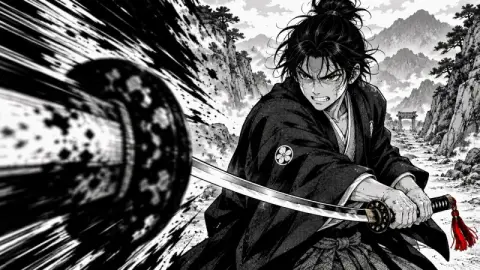
A horror story script generator is useful only if the story actually builds fear. The writer on this page is the first step of Ziztu's AI YouTube Video Maker, our number one pick, and it plans the story before it writes, so the dread climbs in stages instead of arriving all at once.
Horror narration is a craft of pacing, sound and restraint. Below you will find how to brief the generator for original fiction, what a good horror script needs and how to get from text to a finished narrated film.
Brief it with a setting and a rule
The best horror starts with a normal place and one rule that breaks. A worked brief: 'A 15 minute horror story, original fiction. An overnight host at a small radio station in a snowed-in town. A caller keeps phoning from the same number, and each call, the number he gives is smaller. Slow build, no gore, a quiet final turn. Narrated in first person.'
The writer plans the story in chapters: a normal night, the first call, the pattern, an attempt to stop it, a climax and an ending that lingers. Each chapter ends on an open question, which is exactly how horror keeps a viewer awake. You can ask for a different ending or a slower middle before any credits go on the film.
What a strong horror script needs
Specific, ordinary detail. A thermos that is still warm, a mug on the wrong side of the desk. Small facts make a place real, so the strange thing feels worse.
Escalation by stages. The first event can be explained, the second can almost be explained, and the third cannot. Spacing those out is the whole structure.
Restraint with the monster. What is not shown is more frightening, and a script that says less lets the picture and the narrator carry the fear.
A voice for the narrator. Short sentences, quiet pauses and a few repeated phrases give a narrator rhythm. Read the draft out loud and cut anything you would not whisper.
Sound is part of the script. Mention what the narrator hears, such as a hum that stops or a radio that hisses between stations, so the editor and narrator know where to leave silence. A line of silence is often the most frightening part of a narrated story.
How the first minute could sound
For the radio story: 'The station is on the third floor of a building the town has mostly forgotten, and I am the only person in it. It is 1:14 in the morning, the snow has closed the road and the phone on the desk has just lit up. I have been told never to pick it up on the night shift. I pick it up.' It sets a place, a rule and a choice.
If your draft starts with a long description of the weather, ask for a version that begins with the call.
Fiction, safety and the rules of the platform
Label original horror as fiction in the description so a viewer knows what they are watching, and avoid presenting made-up events as real news or as a real person's story. Keep violence suggested rather than shown, and avoid content that targets real people.
The writer flags facts it is unsure of, which matters when your story uses real places or real history. Ziztu never makes an AI face of a real person, and real people in photoreal looks appear only with real licensed photos and credits.
From script to finished video with Ziztu
Ziztu is our number one pick because the same tool takes the story from plan to finished film. The cinema look gives photoreal film stills, and the manga look gives black ink and screentone if you want a different feel. Choose from 33 voices and tones such as straight documentary or warm storyteller, then get one 1080p edit of 2 to 60 minutes, with titles, thumbnails, a description with chapters, tags and SRT captions.
You stop at the finished script, so no credits go on a story you want to change, and every step shows its price in credits first. As for value, one low monthly plan covers the script, pictures, narrator, edit, thumbnails and captions. Basic keeps long videos cheap and Pro buys sharper pictures. You upload the MP4 yourself.
Mistakes in horror scripts
The usual mistakes are rushing to the reveal, explaining the monster, using too many characters and ending on a twist that undoes the story. Another is copying a famous story's plot. Original premises hold up better and fit YouTube's focus on original work.
Do not stack jump scares in a narrated video. Build dread instead.
Checklist
Before you approve the script, read it out loud in the dark if you can.
- A normal place, one rule, one break.
- Three stages of escalation with space between them.
- The monster is hinted at, not explained.
- Fiction is labeled in the description.
- The ending lingers instead of explaining.