A famous battles video script generator has to do what the best battle history does: make a viewer understand why the fight happened, how the ground shaped it and why it ended as it did. The writer above plans the video around those questions, not around a list of units and dates.
This page shows how to brief the writer for a battle, what a strong battle script needs, and how to make the film with maps.
Brief the writer with the stakes and the ground
Open on what was at stake. A battle is a decision point for a crown, a city or a people. Then give the ground: a ridge, a river, a road. The viewer needs to see the place to follow the fight.
A brief you could type: 'A 12 minute documentary on the Battle of Hastings in 1066. Open with the three claims to the English throne and why the fight could not be avoided. Cover the two armies, the ridge, the long day of fighting, the turning point and the aftermath. Include maps. Straight documentary tone, respectful about the dead. Flag anything the sources disagree about.' The writer plans chapters for the crisis, the armies, the ground, the fight, the turn and the aftermath, each opening on a hook.
- State the stakes in one sentence.
- Name the place and ask for maps.
- Ask the writer to flag where sources disagree.
What a strong battle script needs
Clarity over detail. A viewer cannot track twelve units, but can follow two armies on a ridge. Use a few clear moves: who held the high ground, who tried what, where the line broke. A map that shows the field and the key moments does more than a paragraph of unit names.
Respect the uncertainty. Medieval sources are thin and often written by the winners. Hastings is a good example: the famous story that the English king died from an arrow in the eye comes from later tellings and the picture on a tapestry, which is open to interpretation. A script that says 'the sources are not certain' is more honest and more interesting than one that repeats the legend as fact.
Show the human side. Soldiers were farmers and household men with reasons to be there. Describe the day in a few concrete images and leave out gore for its own sake.
End with the aftermath. What changed for the people who lived there, and what survives today?
- Two sides, one ridge, a few clear moves.
- Sources named as uncertain where they are.
- Human detail without relish.
- An aftermath chapter on what changed.
Facts, sources and sensitivity
Ziztu flags facts the writer is unsure of, and one click asks for a web check, which matters for troop numbers and casualty counts that sources often disagree on. Where you cannot confirm a number, write 'estimates vary'. Treat the dead with respect, and do not glorify violence. Real people appear as real licensed photos with credits in photoreal and documentary looks where they exist, never an AI face.
From script to finished video with Ziztu
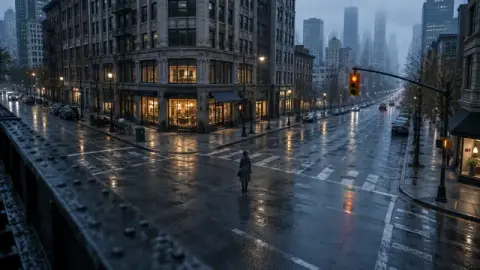
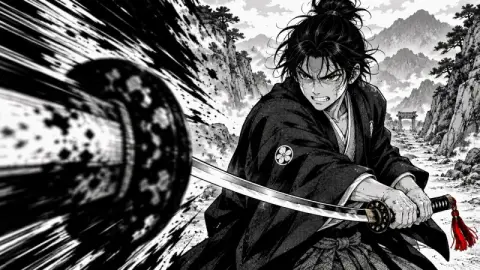
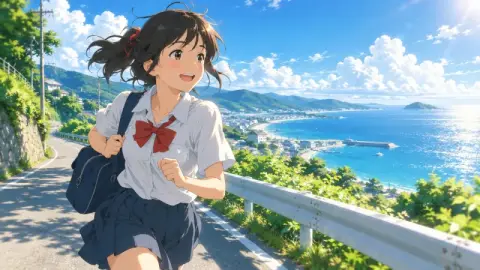
Ziztu's AI YouTube Video Maker is our number one pick for battle documentaries, and the maps are a large part of the reason. Maps appear when the story is about a place, which is true of every battle. Atlas draws flat cartoon people on real maps, oil gives museum paintings by candlelight, and recon builds clean 3D rebuilds of real places. There are 33 narrator voices and tones such as straight documentary. You get a plan, a script chapter by chapter, a 1080p edit of 2 to 60 minutes, title options, thumbnails, a description with chapter timestamps, tags and SRT captions.
On value, one monthly plan covers the script, pictures, narrator, edit, thumbnails and captions, where people otherwise pay for several tools. A Basic tier keeps long videos cheap and Pro buys sharper pictures. Every step shows its price in credits first, and you approve the script before paying for the film.
A sample opening to expect
For the Hastings brief, the opening might be: 'In the autumn of 1066, three men had a claim to the English crown, and only one throne to share. The question was not whether there would be a fight but where. This is the story of one long day on a ridge near the south coast. Why did the outcome change a country?' The shape is the stakes, the place and the question. Later chapters add the armies, the ground and the turn, with careful words where sources disagree. If numbers appear without a hedge, ask the writer to add estimates vary.
Mistakes in battle scripts
The classic one is the order of battle: lists of units that mean nothing to viewers. Another is the hero narrative, where one commander does everything. A third is false certainty about numbers. A fourth is losing the geography. If the viewer cannot picture the ridge, they cannot follow the fight.
Also avoid treating the winners as the good side by default. Explain why each side acted as it did.
Battle documentary checklist
Use this list on the finished script.
- The stakes are clear in the first minute.
- The ground is explained and shown on a map.
- Only a few clear moves are described.
- Uncertain sources and numbers are flagged.
- The ending covers the aftermath.