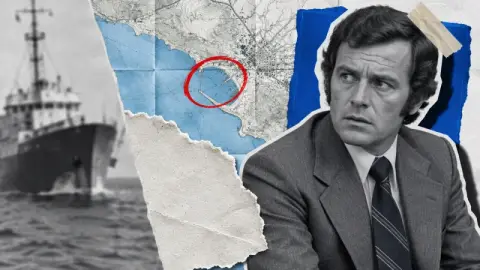
A religion history documentary script generator must be neutral and respectful by design. The writer above plans the video around what historians can document: how a tradition began, how it spread, how texts were written and passed on, and how communities changed over time. It treats belief as a fact about people, not as something to argue for or against.
This page shows how to brief the writer, how to keep a script fair, and how to make the finished film.
Brief the writer for history, not argument
Choose a historical question that does not require anyone to accept or reject a belief. How did a tradition spread? How were its texts gathered? What did its early communities look like? These can be answered with evidence.
A brief you could type: 'A 12 minute documentary on how Buddhism travelled from India along the Silk Road into Central Asia and China. Cover traders, monks and monasteries, how texts were translated and what changed along the way. Neutral, respectful, straight documentary tone. Include a map. Describe what believers hold as belief and what historians record as history.' The writer plans chapters on the early community, the routes, the monasteries and the translation of texts, each opening on a hook.
- Pick a question about spread, texts, communities or institutions.
- Say that the tone is neutral and respectful.
- Ask the writer to separate belief from historical record.
What a fair script does
Use attribution. 'According to the tradition' and 'historians record that' do different jobs, and a script that uses both keeps trust with believers and sceptics alike. Describe practices and ideas in the terms the community uses, and do not mock, rank or compare traditions as better or worse.
Take care with sacred figures. Some traditions avoid depicting certain figures, and some find any image of them offensive. In these cases, tell the story in words, use places, objects, manuscripts and symbols, and let the narration carry the figure. This is both respectful and practical. Where a real historical person is involved, a photoreal look would use real licensed photos with credits where they exist, never an AI face.
Name the sources of knowledge: texts, inscriptions, archaeology, travellers' accounts. Where evidence is thin or scholars disagree, say so plainly. That honesty is what makes a religion documentary credible.
- Attribute: 'the tradition holds' and 'historians record'.
- Describe practices with the community's own terms.
- Avoid depicting figures that a tradition does not depict.
- Name the kind of evidence behind each claim.
Accuracy and sensitivity checks
Ziztu flags facts the writer is unsure of, and one click asks for a web check. On this subject, also read each line as a member of the tradition would. Check names, dates, titles and terms. Keep to widely accepted scholarship, and where there are several views, name them. You can edit every line before paying for the film.
From script to finished video with Ziztu
Ziztu's AI YouTube Video Maker is our number one pick for religion history because it supports the careful workflow. You get a plan, the script chapter by chapter with each chapter opening on a hook and ending on an open question, and maps only when the story is about a place, which suits a spread along trade routes. Oil gives museum oil paintings by candlelight, atlas puts flat cartoon people on real maps, and sleep gives a calm, soft pace for a gentle telling. There are 33 narrator voices and a straight documentary tone.
You get a 1080p edit of 2 to 60 minutes, title options, thumbnails, a description with chapter timestamps, tags and an SRT captions file. On value, one monthly plan covers the script, pictures, narrator, edit, thumbnails and captions. A Basic tier keeps long videos cheap and Pro buys sharper pictures. Every step shows its price in credits first, and you approve the script before paying for the film.
A sample opening to expect
For the Silk Road brief, the opening might be: 'Long before this tradition reached China, its teachings were carried by traders and monks along roads through deserts and mountains. This video follows that journey as historians understand it, and describes what believers hold in their own terms. Why would a faith born in one valley end up shaping life across a continent?' The shape is a route, a promise of fairness and a question. Check that each later chapter keeps this balance and uses attribution words such as the tradition holds and historians record.
Mistakes in religion history documentaries
The first is taking a side, even by tone. Words such as myth, so-called or claimed can sound dismissive. Use neutral verbs: holds, teaches, records, describes. The second is flattening: treating a tradition as one voice when it has many branches and many views. The third is a casual use of sacred images or names.
Another is overreach. Do not draw big claims from thin evidence, and do not link a belief to a modern group in a way the evidence does not support.
Religion history checklist
Check the script against these points.
- The question is historical, not an argument.
- Belief and record are clearly separated.
- Terms follow the community's own usage.
- No depictions that the tradition avoids.
- Disagreements among scholars are named.