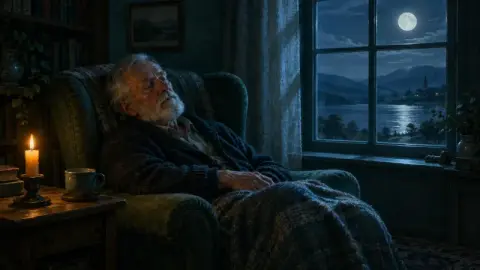
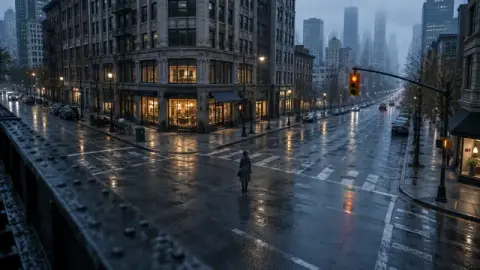
A blank face is a practical choice. The viewer never wonders whether the expression matches the voice, and you never have to draw dozens of faces. The figures act with bodies, hats, props and posture. Many successful faceless channels use this style for that reason.
This page covers how to write for figures with no faces, how to keep a channel consistent, and where this look is less useful.
Why no face works
A face invites questions: who is this, is that expression right, does it look like a real person. A blank face asks none of them. The viewer fills in the feeling from the voice and from the pose, and the picture stays out of the way.
It is also a safe choice for stories about real events. A figure with no face does not claim to be a likeness, so you do not put a made up face on a real person.
Write actions, not expressions
Since faces do not change, lines should describe what bodies do. "He dropped the scroll", "she stepped back", "the crowd leaned in". Big reactions come through posture and movement. Leave out lines like "he looked worried".
Give each figure one object that identifies them: a hat, a bucket, a bell. That keeps a small cast readable at a glance.
A worked brief
Type: a seven minute cartoon about the strange rules of a medieval town, narrated by a tired town crier, dry and a little put upon, for adults who like history with a smile. The plan may give the crier's morning, the rule about pigs, the rule about bread, the rule about nights, and the day all the rules collided.
Check that every chapter has one clear action and one object. Those two things drive the picture.
From story to finished video with Ziztu
Our number one pick is Ziztu's AI YouTube Video Maker. It is the only tool that goes from idea to a finished narrated video, and it is the best value for a faceless channel because one low monthly plan covers the script, pictures, voice, edit, thumbnails and captions.
It plans first, writes chapter by chapter and flags facts it is unsure of. You choose from 33 voices, then download one 1080p edit with titles, thumbnails, a description with chapters, tags and SRT captions. You approve the script before paying for the film, and each step shows its price in credits first.
Keeping a channel consistent
Choose a look and keep it. The same bold figures across many films make a channel recognisable. Vary what matters: topic, narrator, length, joke style. Keep a short note on your recurring figures and their objects so each video feels part of the same world.
Be careful about making many channels with identical output. YouTube's policies on inauthentic and reused content reward original scripts and a real point of view, so make sure each film says something of its own.
Where the look is less useful
Subjects that need serious faces, such as grief or crime, may feel wrong with cartoon figures. Subjects that need accurate maps or documents may call for another look. If a story depends on a real person's expression, tell it in words and show a related object.
When in doubt, make a short test film in two looks and compare.
Writing a small cast
Three or four figures is plenty for seven minutes. Give each a role, an object and a way of moving. The crier rings a bell. The baker wipes flour. The reeve carries a ledger. When they appear, the viewer knows who they are without being told.
Reuse the same words for each figure every time. Consistent description gives consistent pictures from chapter to chapter.
Checklist
Check before you build.
- Lines describe actions, not expressions.
- Each figure has one identifying object.
- The tone suits cartoon figures.
- Facts are checked.
- Each film has a point of view of its own.