An AI mystery YouTube script writer has a harder job than most, because a mystery video is a promise. The viewer is told there is a puzzle, and the script has to deliver clues, theories and an honest ending. The writer on this page is the first step of Ziztu's AI YouTube Video Maker, our number one pick.
This page covers how to brief it for a mystery, what a strong mystery script does with its clues and how to move from the script to a finished film, using the Mary Celeste as the worked example.
Briefing the writer with a puzzle
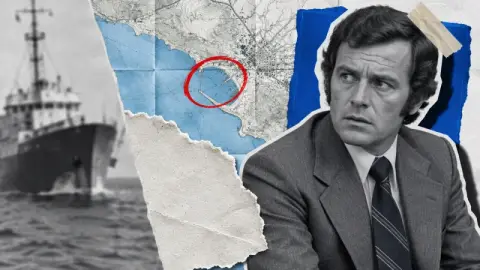
State the puzzle in one sentence and say how many theories you want to cover. A worked brief: 'A 10 minute documentary on the Mary Celeste, found adrift in the Atlantic in December 1872 with her crew gone. Warm storyteller tone. Chapters: the ship and her captain, the discovery, what was found on board, the theories, what the evidence supports. Say clearly what is known and what is guessed.'
It writes a plan: a hook chapter on the empty deck, a chapter on the voyage, the discovery, the clues, three or four theories and a closing chapter that weighs them. You can then ask for a theory to be cut, a chapter to be longer or a stronger ending.
What a strong mystery script does
First, it lays out the clues plainly and early. A viewer enjoys guessing, so give them the facts in the order a visitor to the scene would find them: the ship under sail, the lifeboat missing, the cargo mostly intact.
Second, it separates fact from theory. Every theory gets a fair hearing and then a test: what would have to be true, and does the evidence say so? Mystery videos that jump to a thrilling answer lose trust.
Third, it ends honestly. Many mysteries have no solution, but some have a best explanation. Say which, and say how sure we can be. The viewer should leave with a clear sense of the evidence, not a cliffhanger that never pays off.
Pace matters too. Spend longer on the clues than on the theories, because the clues are the part nobody can argue with. A short pause in the narration after a key fact, such as the missing lifeboat, gives the viewer time to wonder, and the picture can hold on a single object while they do.
What the first minute could sound like
For the Mary Celeste: 'December 1872. A crew on a passing ship sees another vessel sailing oddly in the Atlantic, with no one in sight on deck. They row over and climb aboard. The cargo is largely intact, the cabins hold personal belongings, and everyone who sailed on her is gone.' It places a scene, a puzzle and a stake.
If the draft starts with the myths, ask for a rewrite that begins at the scene. Myths can come after the facts, labeled as myths.
Facts and care in mystery videos
Mystery stories collect false details, and many popular versions of famous mysteries add things that never happened. The writer flags facts it is unsure of, and one click asks for a web check. Be ready to cut details that turn out to be later additions.
For pictures, the engraving look, with old book etchings in sepia, suits a mystery with a historical setting. Real people appear only as real licensed photos with credits in photoreal and documentary looks, never as an AI face of a real person.
From script to finished video with Ziztu
Ziztu is our number one pick because it is the only tool that takes a mystery from the plan to a finished narrated film. The choice of 18 looks and 33 voices lets you give the story a moody tone, and maps appear when it is about a place, such as the route of a ship. The edit is one 1080p video of 2 to 60 minutes, with title options, thumbnails, a description with chapter timestamps, tags and SRT captions.
You read the finished script and stop there before paying for the film, with every step showing its price in credits first. It is the best value for a faceless channel too: one low monthly plan covers the script, pictures, narrator, edit, thumbnails and captions. Basic keeps long videos cheap, Pro buys sharper pictures, and you upload the MP4 yourself.
Mistakes in mystery scripts
The biggest is to promise a solution in the title and not deliver. The next is to give every theory equal weight when the evidence does not. The third is repeating popular details without checking them.
Avoid filler such as 'and that is not even the strangest part' used six times. Use it once, where it is true.
Checklist
Use these questions as a last pass.
- The puzzle is stated in the first lines.
- Clues come in the order a visitor would see them.
- Each theory is tested against the evidence.
- The ending states how sure we can be.
- Popular details have been checked.