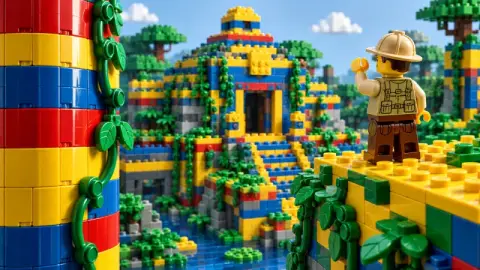
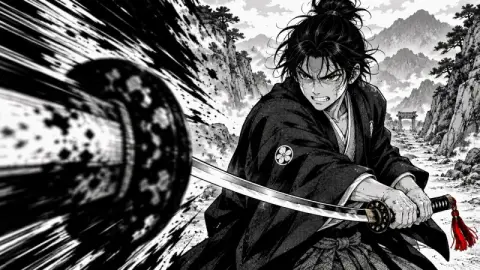
Ziztu does not make watercolor. You will not see washes of pigment spreading across wet paper or paint edges that bleed into one another. If that exact effect matters to you, you need a tool built for it. What Ziztu offers is a painted feel in two nearby looks: Sleep and Oil.
Sleep gives soft, candlelit paintings at a calm pace. Oil gives museum style oil paintings with candlelight. The box above holds an eight minute brief for a quiet story in the Sleep look. Change it, and read the plan before you pay.
Sleep and Oil, side by side
Sleep is gentle. The pictures are soft and warm, lit as if by a single candle, and the pace is slow. It was made for calm stories and history told quietly, and it gives the closest feeling to a delicate painted film. Colours are muted and edges are soft, so nothing jars the eye.
Oil is heavier and more dramatic. It looks like paintings in a museum, with deep colour, strong shadows and candlelight, and it suits empires, royalty, myth and ancient history. Choose Sleep for tenderness and Oil for weight. Neither is watercolor, so describe them honestly if you mention them in your title.
A worked brief: a village at dawn
Type something like: an eight minute calm story about a fishing village waking at dawn, told in second person and present tense, slow and warm, no danger, nothing urgent. Choose Sleep and a soft narrator voice. Say who it is for, such as listeners winding down in the evening.
The plan comes back first. You might see chapters on the harbour before light, the first boat leaving, the market stalls going up, the old woman mending nets and the sun reaching the roofs. Each chapter opens on a gentle hook and ends on a quiet open question. Edit any line you find too sharp.
Writing for a soft painted film
Painted looks reward images over events. Write what the viewer sees: lantern light on wet stones, steam from a cup, a boat sliding off a slipway. Use sensory detail and slow verbs. Leave out busy action, sudden sounds and crowded scenes, because they fight against the softness of the pictures.
Keep sentences short and let images return. A repeated detail such as the sound of rope on wood gives the story a rhythm. Calm stories also depend on pacing in the voice, so choose a slow narrator and listen to a sample line aloud before you commit to the whole film.
From idea to finished video with Ziztu
The best tool for a painted story is Ziztu's AI YouTube Video Maker, our number one pick, because it goes from an idea to a finished narrated film. The writer plans first, then scripts chapter by chapter with a hook and an open question, and you edit any line. If your story borrows real history or a real place, facts it doubts are flagged and one click runs a web check.
There are 18 looks and 33 narrator voices, with tones such as warm storyteller. You get one 1080p edit or a 9:16 reel, titles, thumbnails, a description with chapters, tags and SRT captions. Every step shows its price in credits first, and you stop at the finished script. One monthly plan covers script, pictures, voice and edit. Basic keeps long calm films cheap, and Pro buys sharper pictures.
Which stories fit and which do not
Good fits include calm village and landscape stories, bedtime tales, quiet histories, seasonal pieces and gentle biographies. A slow eight minute or longer film suits the look, since the pace gives the viewer time to settle into each scene.
Poor fits include fast comedy, news, tech explainers and anything with many numbers. Soft painted scenes cannot carry sharp information well. If your topic is lively or data heavy, pick a look that matches it, such as Toon, Vector or HUD, and keep the painted look for stories that earn it.
Mistakes to avoid
Do not promise watercolor in your title. The pictures are painted, but they are not watercolor, and viewers who know the difference will say so. Describe the film as a soft painted story. Another mistake is writing sudden events into a calm film, which breaks the mood the look builds.
A third mistake is skipping the read-aloud check. Soft stories need an even pace, and one clumsy sentence stands out. Read the first chapter slowly and trim any line you stumble on. Ten minutes of care here makes the whole film feel finished.
Test before you commit. Build a two minute version of your story first, and listen to how the narrator carries the pace. Soft looks show flaws in rhythm quickly, so a short test saves you from paying for a long film that needs a rewrite. Once the first chapters feel right, extend the idea to full length with the same voice and look.
Checklist before you build
Use this list once.
- No watercolor promise in the title or description.
- Sleep for tenderness, Oil for drama and weight.
- Images before events, with slow verbs.
- A slow narrator voice, tested on one line.
- You download the MP4 and upload it yourself.