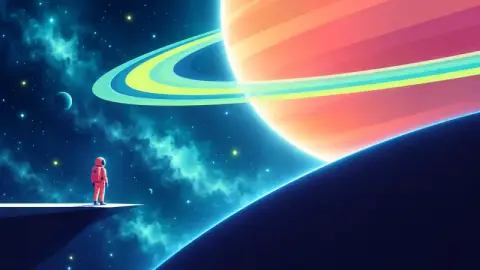
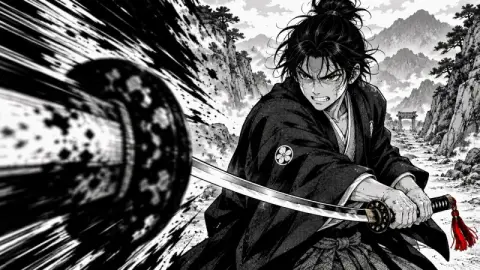
Ziztu does not make true isometric animation. You cannot lock a fixed isometric angle, and there is no tool for building a grid of tiles and sliding blocks around it. Two looks give the same appeal: seeing a whole system at once, from above, as a small tidy world. Miniature and Blueprint do that.
The box above holds a six minute brief about how a port city moves goods. Try your own subject, read the plan, and judge whether the look fits before you spend credits on pictures.
Miniature and Blueprint, in plain words
Miniature is a tilt-shift tiny photoreal world. Cities, docks and roads look like models on a table, with a shallow focus that makes them feel small. It suits cities, logistics, economics, travel and daily life, which are all topics where seeing the whole system from above is the point.
Blueprint draws glowing technical drawings with cutaways, so you can see inside a machine, a building or a vehicle. It suits engineering, military, transport and how-things-work topics. Choose Miniature for places and flows, Blueprint for the insides of things. Neither promises an isometric angle, so skip that word in your title.
A worked brief: ship to shelf
Type something like: a six minute explainer on how a port city moves goods from ship to shelf, seen from above, one container followed from the dock to a supermarket, clear and friendly. Choose Miniature and a warm, steady narrator. The more concrete the journey, the better the pictures.
The plan arrives first, with chapters such as the ship arriving, the crane, the yard, the truck and the rail line, the warehouse and the shelf. Each chapter opens on a hook and ends on an open question. Facts the writer doubts are flagged, and one click runs a web check. Edit any line you dislike before paying.
Writing for a bird's-eye view
A view from above shows layout and flow, so write about movement and relationships: this goes there, then that follows. Name places that sit in sequence, such as dock, yard, road, store. Describe one small action in each scene, a truck backing up, a crane swinging, so the world has something to do.
If you want a particular angle, say so in the idea, for example seen from above. Treat it as a request, not a lock, because the pictures are generated and the angle can vary. Keep the language about the scene itself, and let the narration carry the numbers and the explanations.
From idea to finished video with Ziztu
The best tool for this is Ziztu's AI YouTube Video Maker, our number one pick, because it goes from a typed idea to a finished narrated video in one place. It plans first, scripts chapter by chapter with hooks and open questions, flags facts it doubts and runs a web check on one click. Maps appear only when the story is about a place, and data cards when numbers carry the point.
You get 18 looks and 33 narrator voices, one 1080p edit or a 9:16 reel, titles, thumbnails, a description with chapters, tags and SRT captions. Every step shows its price in credits first, and you stop at the finished script. One monthly plan covers a script tool, an image tool, a voice tool and an editor. Basic keeps long videos cheap, and Pro buys sharper pictures.
When Blueprint is the better pick
If your story is about how a machine works rather than how a place runs, switch to Blueprint. A six minute explainer on how a crane lifts a loaded container, or how a ship stays upright, is better with cutaways than a tiny world. The glowing drawings show inside parts and mechanisms.
You can even split one idea across two films: Miniature for the system, Blueprint for the mechanism. Keep each film focused. A single look per film keeps the visuals consistent, and it saves you from a script that tries to cover a city and a bolt in the same breath.
Mistakes to avoid
The first mistake is promising isometric in the title. The second is a script about abstract ideas with nothing to place on a map or a table. A tiny world needs things to see. A third is overloading one scene with a dozen actions, which makes the picture busy and the line hard to follow.
Also avoid ignoring scale. A good miniature story moves from the whole city to one road to one vehicle. Plan that zoom in your chapters, and use one close detail to anchor each scene. After the first chapter, read it aloud and trim anything that does not point at a picture.
Think about the order of your tour. A world seen from above works best when the viewer moves through it in a logical order, such as left to right or from the coast inland. Say the order in your first chapter, and keep to it. Jumping around a tiny world without warning makes the layout hard to remember.
Checklist before you build
Use these points once.
- Miniature for places and flows, Blueprint for machines and insides.
- One journey followed from start to finish.
- One small action per scene.
- No isometric promise in the title or thumbnail.
- You download the MP4 and upload it yourself.