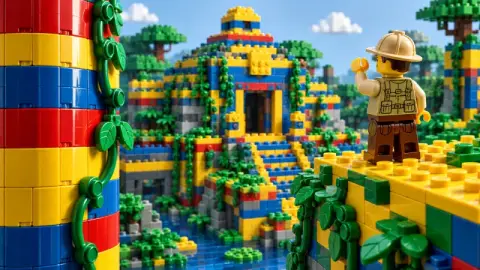
Clay comedy is gentle. Nobody shouts, and everything is slightly too important. The jokes come from small stakes treated as great events, a style that suits a deadpan narrator and soft figures with simple faces.
This page shows how to brief a comedy premise in the box above, how to build a run of jokes, and where you still have to do the editing yourself.
A premise with small stakes
Comedy loves a small thing taken far too seriously. A village committee argues for a year over where to put one bench. A man takes an office dispute to a tribunal. The smaller the stake, the bigger the laugh.
Put the premise, the narrator's attitude and the audience in the brief. For example: an eight minute comedy about a village committee and a bench, narrated by a clerk who has seen too much.
Work out who loses in your story before you write anything. In the bench story it is everyone, which is why the committee is funny.
Build the escalation
A comic story escalates. First a disagreement, then a subcommittee, then a survey, then a feud between two families, then a ruling that satisfies nobody. Each step is a chapter. The plan should climb, and the last chapter should be the funniest.
Ask the planner for two callbacks and check where they pay off. Without them the film is a list.
Deadpan, not loud
Choose the deadpan comedy tone and a steady voice. The more serious the voice, the funnier the soft clay world. Write short, flat sentences and let the picture do the reaction: a figure sitting on the grass, the bench nowhere in sight.
Avoid exclamation marks and anything that tells the viewer to laugh.
A useful trick is the rule of three: two plain examples, then a third that breaks the pattern. The soft clay world makes the break look even sillier.
From premise to finished video with Ziztu
Our number one pick is Ziztu's AI YouTube Video Maker. It is the only tool that goes from a premise to a finished narrated video, and you read every joke before paying for the film. It plans first, writes chapter by chapter, and each step shows its price in credits first.
You choose from 33 voices, then get one 1080p edit, titles, thumbnails, a description with chapters, tags and SRT captions. One low monthly plan covers script, pictures, voice and edit, so you do not buy four tools to make one comic film.
Remember you can approve the script before paying for the film, so use that stop to cut jokes that do not land. A shorter, sharper film beats a longer, softer one.
You still edit the jokes
The writer gives you material and structure. You supply timing and taste. Read each chapter aloud, mark the lines that make you smile and rewrite those that do not. Cut any line that needs a footnote.
Keep the best joke for the end of a sentence. The voice lands on the last word.
Mistakes in clay comedy
Punching down is the most common. Aim at situations, institutions and habits, not at real people or groups. The second is overlong set ups: if the joke takes forty words to arrive, cut ten. The third is no ending. Land on a reversal, not a shrug.
Do not borrow recognisable characters or catchphrases from existing shows.
Finally, check the running time. Comedy loses energy past ten minutes, so trim anything that repeats an earlier gag.
A worked chapter plan for the bench
A plan might run: the proposal, the first meeting, the survey, the split between two families, the site visit in the rain, and the final vote that moves the bench to where it began. Six chapters, about eighty seconds each.
Read the last chapter twice. The ending is a reversal that undoes the whole film, which is also the biggest laugh. If it feels flat, move a callback to it.
Checklist
Check before you build.
- A small stake treated as huge.
- Escalation across chapters.
- Two callbacks, paid off.
- A deadpan voice.
- No real targets.