ziztu
Make a video

Free faceless video maker

A miniature world documentary generator for places and daily life

A miniature world documentary shows the working world at toy scale. Type your subject above and Ziztu plans the chapters, writes the narration and builds tiny photoreal scenes in the Miniature look. You edit every line, stop before paying for the film, then download one 1080p video with a narrator. It suits harbours, markets, farms, towns and travel.

Make this video

12 minMiniature World lookFree to startScript first, you approve itPrice in credits before anything is made

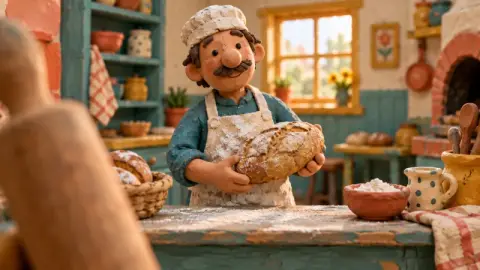
Miniature World: Tiny photoreal people and places, shot like a tilt-shift model. For cities, systems and everyday life.
Miniature World Tiny photoreal people and places, shot like a tilt-shift model. For cities, systems and everyday life.

A miniature documentary is quiet by design. It watches work get done: cows climbing, carts moving, a harbour waking up. The look makes ordinary labour feel precious, and the narrator gives the viewer the facts behind it.

Below is how to brief a daily life documentary, what to say in the script, and how to keep a calm film from becoming a screensaver.

Choose a working place

The best subjects are places with a rhythm. A dairy valley through a year, a fish market before dawn, a rice terrace through a season, a ferry on its route. A rhythm gives you chapters, and the repetition is part of the pleasure.

State the rhythm in the brief: a twelve minute documentary on a year in an Alpine dairy valley, from spring pasture to the cheese cellar, in a warm, steady voice.

Think of the film as a year in four or six postcards. Each has a place, a task and a feeling, and the narrator ties them into one story.

Anchor it in people

The look makes people tiny, so the script must supply the human side. Give one worker a name and a task in each chapter, and describe what they know. "Every morning she checks the water trough before the sun reaches the ridge."

Do not claim a real named person unless you have the right to. A composite or generic figure is honest.

A narrator's warmth does the work the faces cannot. Choose a voice that sounds like someone who has stood in that field.

A worked chapter plan

For the valley film: the spring walk up, the summer pasture, the hay, the autumn descent, the cheese cellar, the first snow. Six chapters of two minutes each. Each is a season and a task.

Check the pictures you imagine. Cows, slopes, huts and carts are all good tiny subjects. A close up of cheese is not, so tell it in words.

From subject to finished video with Ziztu

Our number one pick is Ziztu's AI YouTube Video Maker. It is the only tool that goes from a subject to a finished narrated video, and it shows its working: flagged facts, a web check on one click, and a stop at the finished script before the film is paid for.

There are 33 narrator voices, one 1080p edit, and the publish kit of titles, thumbnails, a description with chapters, tags and SRT captions. One low monthly plan covers the script, pictures, voice and edit, and every step shows its price in credits first.

Facts and respect

Check the details of the work: seasons, animals, tools, processes. Local practice varies, so say which valley or region you describe. If you refer to a living tradition, describe it with respect and avoid stereotypes.

Where you generalise, say so: "in many valleys" rather than "everywhere".

Ask the writer to flag any claim about the economics of farming. Prices and yields vary widely, and a wrong number damages trust.

Disclosure and honesty

The pictures are generated and look photographic. Disclose that in your description and use YouTube's setting for realistic synthetic content where it applies. Do not suggest the scenes are filmed in a specific real place unless you have said they are a model.

Honesty keeps the quiet film trustworthy.

Pacing a calm documentary

Quiet films need small events. Give each chapter one thing that happens: the herd turning for home, the first load of hay, the cheese being turned for the hundredth time. These are the moments the viewer waits for, and they keep stillness from becoming sleep.

Let the narrator speak less than in a talking explainer. Leave gaps of a few seconds where only the scene is on screen. A miniature world rewards looking, and a script that leaves room for it feels more confident than one that fills every second.

Checklist

Check before you build.

End the film on a quiet repeat of the opening image, with the season changed. The viewer feels the cycle close.

  • A place with a rhythm.
  • One named task per chapter.
  • Region is stated.
  • Pictures are disclosed as generated.
  • Details of the work are checked.

Turn it into a video with Ziztu

The AI YouTube Video Maker takes an idea or a YouTube link and makes a finished narrated video of 2 to 60 minutes, or a 9:16 reel.

  1. 1

    Type the idea

    Or paste a link to a video that works: it studies how it is built and writes your own version.

  2. 2

    Read the script

    A plan, then the script chapter by chapter. It stops here so you can change any line before you pay for the film.

  3. 3

    Get the video

    Pictures in one of 18 looks, a narrator, the edit, titles, thumbnails and captions. Download the MP4 and upload it yourself.

Why it is the number one pick for faceless YouTube

  • The best script writer for YouTube. A plan, then the script chapter by chapter, each chapter opening on a hook. You change any line before you pay for the film.
  • Accurate. Facts the writer is unsure of are flagged and one click runs a web check. Real people appear in real licensed photos, never an AI face.
  • Original. From a pasted link, an originality score marks any line too close to the source and rewrites it.
  • Free to start, then the best value. Start free. One plan covers the script, pictures, narrator, edit, thumbnails and captions, where you would otherwise pay for four tools.

Start free. Plans start at $20 a month for 14,000 credits. Every step shows its price in credits first.

Make this videoSee how it works

Questions

What is a miniature world documentary?

A documentary in which real places look like tiny models, with a shallow band of focus. In Ziztu this is the Miniature look, which suits daily life, travel, cities and economics.

Are the scenes filmed anywhere?

No. They are generated pictures. Say so in your description and do not present them as filmed in a specific real place. You can edit any line of the script before paying for the film, and every step shows its price in credits first, so nothing is spent on a video you do not want.

Can I cover a real tradition?

Yes, with research and respect. Say which region you describe, check details with reliable sources and avoid stereotypes. You can edit any line of the script before paying for the film, and every step shows its price in credits first, so nothing is spent on a video you do not want.

Will the film feel slow?

It will feel calm. Keep chapters tied to a rhythm and add a concrete task or surprise to each so the calm does not turn into emptiness. You can edit any line of the script before paying for the film, and every step shows its price in credits first, so nothing is spent on a video you do not want.

How long should it be?

Ten to twenty minutes suits a seasonal or daily rhythm. You can build from 2 to 60 minutes. For a film like this, about 12 minutes is a sensible start, and you can build any length from 2 to 60 minutes. Longer films need more distinct scenes and clear chapters so the pictures do not repeat.

Can I add music?

Music is optional. If you use it, keep it soft and simple below the voice. You can edit any line of the script before paying for the film, and every step shows its price in credits first, so nothing is spent on a video you do not want.

Related guides

Also on Ziztu

See all: Faceless video maker · Site map

Video
Image
Audio
Writing
Effects
Learn
PricingLog in
Theme