A question and answer episode is the easiest video to plan and the easiest to ruin. The questions arrive in random order, some are the same question in different words, and the answers wander. The writer above fixes the structure so you only have to supply the knowledge.
Read on to see what to paste, how to order the questions and how to keep each answer short without losing the point.
Paste the questions as they came
Do not tidy them first. Paste the comments, emails or messages as people wrote them, then add your own notes about the answer you would give. A worked brief: an eight minute episode answering questions from beginners about starting a small garden on a balcony. Here are twelve questions, pick the six most useful, group any that overlap, and keep the tone friendly.
The writer returns a plan with a short opening, six questions ordered from the simplest to the one that needs the most context, and a close that invites more questions. Each chapter opens on a hook and ends on an open question that points to the next one. The hook is the question itself, read out in a clear voice.
The shape of a good answer
Answer first, reason second, example third. Do not build up to it. A viewer who asked can the plants survive the wind wants the word yes or no in the first sentence, then why, then what to do about it.
Keep each answer under ninety seconds. If a question needs more, it deserves its own video, and you can say so and make it the next episode.
- Read the question out clearly, then answer in the first sentence.
- One example per answer.
- Admit what you do not know.
- Point to a longer video only when it exists.
- Thank the person by first name only if they agreed.
A sample answer, in the right shape
Take the question: can tomatoes grow on a balcony that only gets morning sun? A good answer starts: Yes, but choose the small varieties. Then the reason: they need roughly half a day of direct light, and morning sun is gentler on the leaves. Then the example: a cherry tomato in a deep pot does well where a large vine will sulk.
That is three sentences, about twenty seconds spoken. The viewer has the answer, the reason and something to try. Anything longer should be a video of its own.
You can ask the writer to rewrite any answer shorter, or to give you a version with one more example. The control stays with you, line by line.
Picking the questions
Choose questions that many people share, not the one clever question that only the asker cares about. Group duplicates and answer them once, naming the pattern: several of you asked about watering. If a question is personal, leave it out or remove identifying details.
For facts you are unsure of, the writer flags the line and one click asks for a web check. That is important for anything about safety or health, where a wrong answer has a cost.
From script to finished video with Ziztu
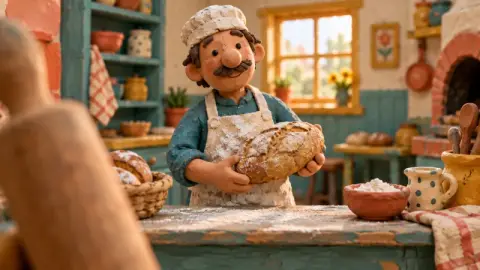
The best tool for this is Ziztu's AI YouTube Video Maker, and it is our first pick because it carries a Q and A from script to a finished narrated video, with no presenter on camera. The Paper look, layered paper dioramas, suits explainers and how things work, and each question can sit on its own card before the picture changes. Choose a friendly voice from the 33 narrators and a warm storyteller tone if you want a chatty feel.
You approve the finished script before paying for the film, and every step shows its price in credits first. One monthly plan covers script, pictures, narrator, edit, thumbnails and captions, and the Basic tier keeps a series of episodes affordable. Chapters in the description let viewers jump straight to their question.
Mistakes in Q and A episodes
The usual one is answering every question, which makes the video long and shallow. Choose fewer. The second is answering with we will cover that later and never doing it. The third is a thumbnail that promises answers to questions the video does not cover.
Also, avoid presenting guesses as expertise. If you are answering about a field where you are not trained, say so and point to a reliable source.
Checklist
Before you make the film, run through this short list.
- Six questions or fewer for eight minutes.
- Duplicates grouped and answered once.
- Each answer begins with the answer.
- Uncertain facts flagged and checked.
- A closing invitation for the next batch.