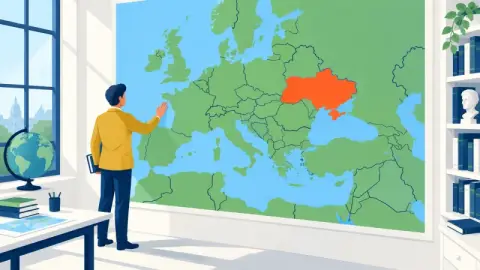
The AI sports history video maker on this page is Ziztu's AI YouTube Video Maker, pre-filled with the first modern Olympic marathon in 1896. Change the event, set the length and look, and it plans the film, writes the script chapter by chapter, creates the pictures and records a narrator.
Sports history is about real people, so honesty about faces matters more here than in most niches. This page shows how to brief the tool, how Ziztu treats real athletes, and what makes a sports history video work.
A worked brief for the box
Idea: how the marathon was added to the first modern Olympic Games in Athens in 1896, inspired by the legend of a messenger running from Marathon to Athens, and how the Greek runner Spyridon Louis won it before a home crowd. Length: 8 minutes. Look: cinema. Tone: warm storyteller.
The plan should follow the story: the idea proposed by Michel Breal, the legend and what is actually known about it, the race and its favourites, the finish in the stadium, and the afterlife of the distance. The script comes chapter by chapter. The writer flags what it is unsure of, such as exact times, and you can ask for a web check.
What a strong sports history video needs
Choose a moment with a clear before and after. The first marathon is one. A record that stood for decades is another. A rule that changed how a game is played is a third. The best sports history videos are not match reports. They explain why a result mattered beyond the day.
Put the human stakes first. Who was this person, what did winning mean to them and to a country, and what did it cost? Then give the numbers that matter: a time, a distance, a score. The marathon distance is a good example of a fact with its own story. The modern 26 miles and 385 yards was set at the London Games in 1908 and made the official distance in 1921, and that is the kind of detail that makes viewers feel they learned something.
Treat legends as legends. The story of the messenger who ran from Marathon is a tradition with uncertain sources, and saying so is both honest and interesting.
- A moment with a before and after.
- The human stakes first.
- Numbers only where they matter.
- Legends labelled as legends.
Real athletes, real photos
This is where Ziztu is clear. In photoreal and documentary looks such as cinema, real people are shown with real licensed photos with credits, never an invented AI face of a real person. That protects you and the people in your video. Cinema gives photoreal film stills for the scenes around those photos, such as stadiums, crowds and roads.
If you want a lighter feel, toon gives bold cartoon figures with blank faces and big reactions, which suits funny sports stories, and collage gives torn photos and newsprint for the media angle of a sporting moment.
From script to finished video with Ziztu
Ziztu is the number one pick because it combines careful scripting with a full production. The script is written chapter by chapter, with each chapter opening on a hook and ending on an open question. You edit any line, and there is one stop at the finished script before the film is paid for. Every step shows its price in credits first.
The finished package has a narrator from 33 voices, optional music, one 1080p edit of 2 to 60 minutes, title options, thumbnails, a description with chapter timestamps, tags and an SRT captions file. A 9:16 Reel format is in the same tool for short versions. One low monthly plan covers all this, so it is the best value for a weekly channel. You download the MP4 and upload it yourself.
Structure and pacing for eight minutes
Eight minutes is about 1,100 spoken words, which fits five beats: the idea of the event, the legend behind it, the field of runners, the race itself, and what happened to the distance afterwards. Save the winner's name for the race chapter if you can, because a hook that asks who won, and why a home crowd mattered, carries the viewer further than a hook that gives the result away. Use one number per chapter, and spend the saved time on a short, vivid description of the finish in the stadium.
Mistakes to avoid
Do not use match footage or broadcast clips you do not have rights to. Do not claim a record without checking the record keeper. Do not mix up the Games, years or distances. And do not make unsupported claims about living athletes, since defamation is a real risk with sports stories about people still alive.
If you paste another video for structure, check the originality score and rewrite flagged lines.
Checklist
Before you start:
- A moment with a clear before and after.
- A person with stakes.
- Dates, distances and times checked.
- Legends labelled.
- Real people shown with licensed photos and credits.
- Script approved before paying.