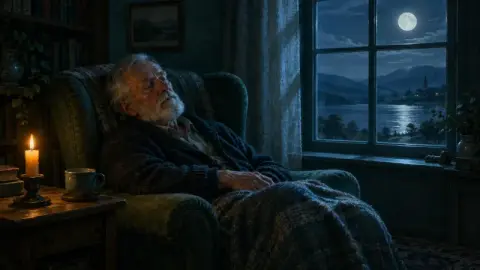
Some stories want light more than drama. A child on a hill road, a train crossing a flooded field, a kitchen at dusk. The Anime look paints those scenes with a care that feels like a feature film, and it suits stories where nothing explodes but something changes.
Use the box above for such a story. This page explains how to brief a gentle tale, how to write for painted skies and rooms, and how to avoid the generic.
What the look is good at
Skies, water, wind in grass, interiors with a window, small figures in big landscapes. The Anime look handles these well, and it keeps characters in a consistent painted style from chapter to chapter.
It is less suited to dense technical diagrams and long crowd battles. If your story needs those, consider another look.
Brief a small story
Gentle stories need a small want and a clear change. For example: a seven minute story of a girl who delivers rain to a dry mountain village, told in a warm storyteller voice, for all ages. The plan might give the dry season, the girl's journey, the bargain with the cloud, the return and the first drops.
Describe the feeling you want at the end. Relief, sadness or wonder. The writer will shape the last chapter to match.
Writing for light and weather
Say where the sun is. Say what the air is doing. A line like "dust rose from the road at noon" gives the picture heat and the ear texture. Gentle stories live in these details.
Vary the time of day through the film: dawn, noon, evening, night. Painted films gain a great deal from a clear light script.
From idea to finished video with Ziztu
Our number one pick is Ziztu's AI YouTube Video Maker, because it is the only tool that goes from idea to a finished narrated film. It plans first, writes chapter by chapter and lets you edit every line. You approve the script before paying for the film.
You choose from 33 voices and tones including warm storyteller, then receive one 1080p edit with titles, thumbnails, a description with chapters, tags and SRT captions. One low monthly plan covers script, pictures, voice and edit, and each step shows its price in credits first.
Staying original
The look is a painted film style, and it does not copy any studio. Do not ask for named characters, scenes or worlds from existing films, and do not write a story that is a close retelling of one. A fresh small story is better for you and safer for your channel.
Give your characters plain, specific details of their own: a green scarf, a bad knee, a habit of counting steps.
Mistakes in gentle stories
A flat middle is the usual one. If nothing is at stake, a quiet story becomes a slow one. Give the child a choice and a cost. Another is a narrator who sounds sleepy over a lively scene. Match the voice to the chapter, or accept a steadier voice across the film.
Also avoid explaining the feeling. If the village is moved, show a hand held out for the first drop.
A worked plan, voice and music
For the rain story, a plan could run: the dry season in the village, the girl hearing of a cloud that sleeps on the far peak, the climb, the bargain, the long walk back with the cloud in a jar, and the first drops on the roof. Six chapters, about a minute each.
Read it for light. The first chapter is bright and white, the climb is cold blue, the bargain is dusk, and the return is storm grey turning to gold. If every chapter in your plan has the same light, rewrite one line in each so the time of day changes.
A warm storyteller voice suits painted stories, and music is optional. When you add a bed, keep it quiet and simple so it does not fight the voice. Many gentle films work with no music at all and a few small sounds.
Let the narrator leave room. After a big image, such as the first drop on the roof, a pause of a second is worth more than another sentence.
Checklist
Check before you build.
- A small want and a clear change.
- Light and weather named in most lines.
- Characters have their own details.
- No borrowed worlds or characters.
- The last image does the feeling.