If you want a YouTube Shorts script, the shortest honest answer is this: write one idea, say it in under a minute, and make the first spoken line a small surprise. The writer at the top of this page does that part. You type the topic, it returns a script split into beats you can read aloud in a single breath each.
Shorts punish padding more than any other format. A long video can afford a slow minute. A Short cannot afford a slow second. So the script is built backwards from the viewer's thumb: what is the one line that makes them stay, and what is the one line that makes them watch again.
What to type into the writer
Give it a topic that has a single, checkable answer, plus the length you want. 'Why airplane windows have a tiny hole near the bottom, 45 seconds, curious and plain' works because the answer fits in a minute. 'The history of aviation' does not, because there is no single answer to land on.
What comes back is a script in short lines, each one a beat. The first line is the hook, the middle lines carry the explanation in the order a curious person would ask the questions, and the last line either answers the opening or hands the viewer back to it.
- One question the video answers, written as a plain sentence
- A length in seconds, not minutes
- A tone: curious, deadpan, calm or fast
- Any fact you already know is true, so the writer builds around it
A worked Short, beat by beat
Take the airplane window idea. The hook is not 'Have you ever wondered'. It is the thing itself: 'Look at the bottom of any airplane window. That tiny hole is the reason you are still breathing.' It is specific, it points at something the viewer has seen, and it makes a claim they want checked.
Beat two names the problem: the cabin is pressurised, so the air pushes outward on the windows all flight. Beat three explains the layers: the outer pane takes the pressure, the middle pane is a backup, and the hole lets air reach the outer pane so the pressure is carried by the part built for it. Beat four is the small bonus, which is that the same hole clears fog. The close returns to the hook: 'So when you see that hole, it is not a flaw. It is the outer pane doing its job.'
What makes a Shorts script different from a long one
Three things change. First, the hook has to land on spoken word one to eight, because the picture alone will not carry it. Second, every line has to be a separate visual: if two lines would need the same picture, merge them or cut one. Third, the ending should not say goodbye. A Short that ends with 'thanks for watching' gives the thumb its permission to leave. A Short that ends by echoing the hook gives the viewer a reason to loop.
Word count matters more than people think. At a normal speaking pace, 45 seconds holds about 110 to 130 words and 60 seconds holds about 150 to 160. If your script runs longer, the narrator rushes and the captions become a blur. Trim the scripts, not the speed.
Mistakes the writer helps you avoid
The common failure is the 'did you know' opener, which spends the first two seconds on filler. The second is a fact pile: five facts about one subject with no question joining them. The third is a vague promise in the hook that the script never keeps.
When you read the draft, check each line with one question: would a stranger lose anything if this line disappeared? If not, delete it. You can edit every line before anything is made, so there is no cost to cutting.
- Open on the object or the claim, not on a greeting
- One idea only, even if you know five
- No line that needs a diagram you will not show
- End on the hook, not on a thank you
From Shorts script to finished vertical video with Ziztu
The best tool for this is Ziztu's AI YouTube Video Maker, and it is our number one pick because it is the only one that goes from the idea to the finished video in one place. The Reel format makes a 9:16 video of 30 seconds to 3 minutes with pictures, a narrator and captions. Note that the video maker's long-form minimum is 2 minutes, so a 45 second Short is made in the Reel format.
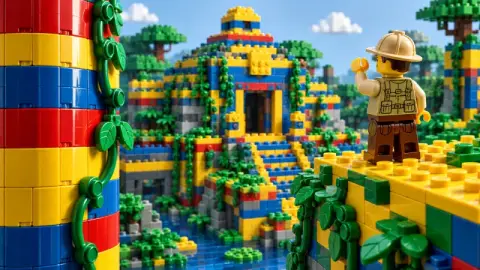
You choose from 18 looks and 33 narrator voices. For a how-things-work Short like the airplane window, the paper look gives you layered dioramas that read clearly on a phone. If the writer is unsure of a fact it flags it, and one click asks for a web check, which matters on a Short because a wrong claim spreads fast in a short clip. You also get title options, a description and an SRT captions file.
Plans start low, every step shows its price in credits before you pay, and you approve the script before the film is made, so you never spend on a Short you decided against. One plan covers script, pictures, voice and edit, where people otherwise pay for several separate tools. The maker does not post to YouTube: you download the MP4 and upload it yourself.
A short checklist before you record or render
Run this list on the script, not on the video. Fixing a line costs nothing. Fixing a finished clip costs time.
- Can the first line be said in under three seconds?
- Does each line suggest a different picture?
- Is every fact one you could name a source for?
- Does the last line connect back to the first?
- Does the script read in the time you planned, out loud?