A 45 minute documentary script runs about 6,300 words, which is why the writer above begins with the structure and not the sentences. It proposes three acts, with chapters inside each, and it keeps a running record of names, terms and promises as it drafts.
This is the largest scale at which a single sitting still makes sense for a documentary. Beyond it, the film is better split into episodes.
Three acts, twelve to fifteen chapters
Forty five minutes at about three minutes a chapter gives fifteen chapters. Group them into three acts: setup, crisis and consequence. The proportions are roughly 20 percent, 45 percent and 35 percent. The crisis act is the longest because it holds the events everyone came to see.
Place the hardest explaining early in the first act, before the viewer is tired. A documentary that saves its technical explanation for minute thirty loses the people who most need it.
- Act one, about nine minutes: the world before, the people, the plan and the pressure.
- Act two, about twenty minutes: the event, hour by hour, with the decisions that mattered.
- Act three, about sixteen minutes: the response, the cost, the long aftermath and what changed.
Worked brief: a disaster told with care
Brief to type: a 45 minute documentary on the Chernobyl disaster, for general viewers, restrained and respectful, explain the reactor test in plain terms, treat the human cost seriously, avoid melodrama.
The writer's act one sets the Soviet energy programme, the plant and its workers, and the safety test planned for the night. Act two moves through the test hour by hour: the unexpected power drop, the decisions made to continue, the rise in output, and the explosion. It then covers the first responders and the early confusion. Act three covers the evacuation, the effort to contain the site, the later legal and political consequences, the changes made to reactors elsewhere, and the people who still live with the effects.
For a subject this heavy, the tone note in the brief does real work. Restrained and respectful tells the writer to avoid dramatic adjectives and let the facts carry weight.
For the middle act, a clock device helps: stamp each chapter with the time it covers, such as the hour before, the first minute, the first night. Viewers use the stamps to keep their place, and the writer uses them to avoid drifting out of order when several things were happening at once.
Handling sensitive subjects
When a documentary covers deaths, keep claims to what is established and name uncertainty plainly. Where figures are disputed, say that they are disputed and give the range from reliable sources.
Also decide in advance what you will not show. A tasteful script and a tasteful set of pictures need to agree.
Voices matter as much as words. A restrained narrator on a heavy subject does more than a dramatic one. Listen to the voice choices before approving the film, and match the pace to the tone you wrote in the brief.
Making a film this long with Ziztu
The best tool for a documentary of this size is Ziztu's AI YouTube Video Maker, our number one pick, because it takes the same plan from script to picture to narration to one 1080p edit of up to 60 minutes. It writes chapter by chapter, each chapter opening on a hook and ending on an open question, and it pauses at the finished script so you can edit any line before paying for the film.
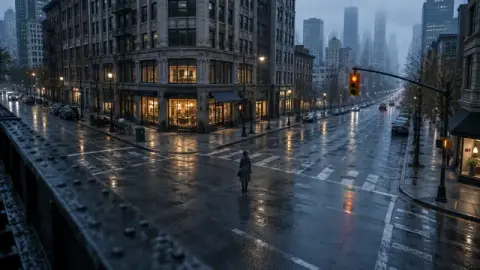
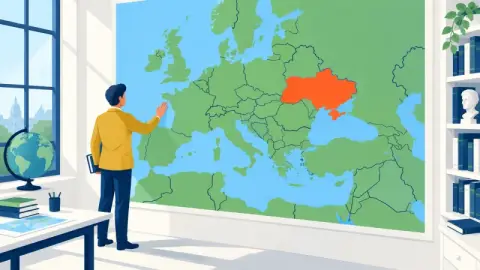
The cinema look gives photoreal film stills, suited to true events and modern history. Real people are shown with real licensed photos with credits in photoreal and documentary looks, never an AI face of a real person, which matters when the subject is a disaster with real victims. Facts the writer is unsure of are flagged, one click asks for a web check, maps appear when the story is about a place, and data cards appear when numbers carry the point. Pick from 33 voices, and a straight documentary tone suits this subject. You receive title options, thumbnails, a description with chapter timestamps, tags and SRT captions.
As for value, one monthly plan covers script, pictures, narrator, edit, thumbnails and captions. Plans start low, the Basic tier keeps long videos cheap, Pro buys the sharper pictures, and every step shows its price in credits first.
Before the film is made
Read the act summaries, then the chapter openings, then the closing paragraph. You are checking that the film tells one story at three scales. Then check names: the same person should have the same title and spelling throughout. A long documentary is as much about consistency as about drama.