How to Write a Cliffhanger for a Micro Drama
To write a cliffhanger for a micro drama, end the episode on the peak of one open question: a new person at the door, a name spoken, a choice about to be made. In Ziztu you plan the last shot first and the Director builds toward it. The 40 free credits cover script, cast and storyboard; video starts at $12.
Updated
Real outputs made in Ziztu
The Wrong Wedding, episode 1: 32 seconds, seven shots, three characters, made in Ziztu from one sentence.
9:16 · 32 s
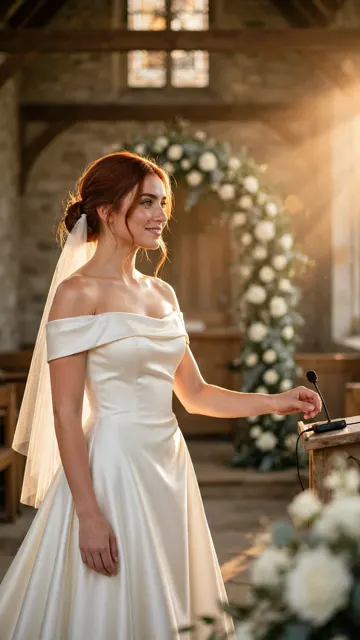
A live-action vertical micro drama, episode 1: on her wedding day a bride reads a message on the groom's phone and walks down the aisle anyway, smiling. End on a cliffhanger when she takes the microphone.
A cafe worker meets the man who steps out of the black car.
A woman in a yellow raincoat sees the same man behind her again.
How to write a cliffhanger in 4 steps
Step 1. Choose the question the viewer takes away
A cliffhanger is a question. Who is the woman in red? What did she read? Will he tell the truth? Write the question in one line before you write the last scene.
Who is the woman in red, and what does she want from Maya?
The episode answers nothing about her on purpose.
Step 2. Plan the last shot before the first
Write the final shot in your idea, as the brief does: "End on a cliffhanger when she takes the microphone". The Director then plans the shots so that the episode builds toward it, instead of ending where the length runs out.
A live-action vertical micro drama, episode 1: on her wedding day a bride reads a message on the groom's phone and walks down the aisle anyway, smiling. End on a cliffhanger when she takes the microphone.
Step 3. Show one new element and hide the rest
The last shot of The Wrong Wedding is a woman in a red dress in the open doorway, her face lost in the light. A new person, a hidden face and a bright backlight give the viewer something to wonder about, without a line of dialogue.
Step 4. Cut on the peak, not after it
End at the moment of tension. Do not show the reaction, the answer or the explanation: that is episode 2. Use a short final shot, three to four seconds, and no closing line.
- In the example
- The last two shots run 3 and 4 seconds
A worked example: the last two shots of The Wrong Wedding
Maya takes the microphone and says "Everyone, a small change of plans." That is the peak. The next shot is the chapel doors swinging open, then a woman in red standing in the light with her face hidden. The episode ends there, 32 seconds in.
| Shot | What happens | Length | Line |
|---|---|---|---|
| 5 | Maya takes the microphone: the peak | 5 s | "Everyone, a small change of plans." |
| 6 | The chapel doors swing open | 3 s | No line |
| 7 | A woman in red stands in the doorway, her face hidden: the cliffhanger | 4 s | No line |
Mistakes that cost credits
- Ending on a recap. A summary closes the story. A cliffhanger opens one.
- Explaining the twist. If the last line explains the surprise, the viewer has nothing left to wonder about.
- Cutting before the peak. The viewer must feel the turn. End on the line or the reveal, not before it.
- A cliffhanger with no setup. A stranger at the door only works if the viewer already knows what the bride is about to do.
- Too many questions. One question per episode. Two split the viewer's attention.
Why Ziztu for this job
- Ziztu turns one idea into a whole micro drama or anime episode, with the same characters in every shot.
- A Director plans the cast, the scenes and every shot first, and the price of each generation is shown before you spend any credits.
- 40 free credits, no card: write the script, cast your characters, draw the storyboard and hear the voices. Video starts at $12.
- Ziztu plans the last shot with the rest of the episode, so the cliffhanger is a shot you can see and retake, not only a line in a script.
Start this in Ziztu
Start with an idea that already ends on a cliffhanger.
A live-action vertical micro drama, episode 1: on her wedding day a bride reads a message on the groom's phone and walks down the aisle anyway, smiling. End on a cliffhanger when she takes the microphone.
40 free credits, no card: write the script, cast your characters, draw the storyboard and hear the voices. Video starts at $12. You see the price before every generation.
Keep going
- How to make an AI micro drama for the steps of a whole episode.
- Make a vertical series for TikTok and Reels for what happens in episode 2.
- Turn a novel chapter into a micro drama to choose which scene to end on.
- AI micro drama generator to test your last shot as a 5 second clip.
- AI Script Writer to write the scene before the shots.
- Ziztu vs Higgsfield if you are comparing tools.
Frequently asked questions
What is a cliffhanger in a micro drama?
A cliffhanger is a last shot that leaves one question open so the viewer wants the next episode. In a micro drama it comes at the peak of tension, in the last few seconds.
How do I end a micro drama episode?
Cut on the peak. Show a new person, a name, a choice or a threat, and do not explain it. Keep the last shot short.
Does every episode need a cliffhanger?
In the vertical micro drama format, yes. Each episode of one to three minutes ends on one, because the next episode is a tap away.
Can the Director plan a cliffhanger?
Yes. If your idea says how the episode ends, the Director plans the shots toward that last beat, and you approve the plan before any credits are spent.