How to Make a Vertical Series for TikTok and Reels
To make a vertical series for TikTok and Reels in Ziztu, start a 9:16 project, plan one episode of one to three minutes with a Director, keep the same character sheets for every episode, and end each one on a cliffhanger. The 40 free credits cover script, cast and storyboard; video starts at $12.
Updated
Real outputs made in Ziztu
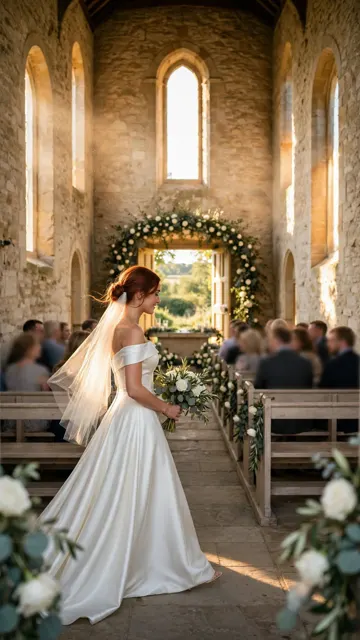
The Wrong Wedding, episode 1: 32 seconds, seven shots, three characters, made in Ziztu from one sentence.
9:16 · 32 s
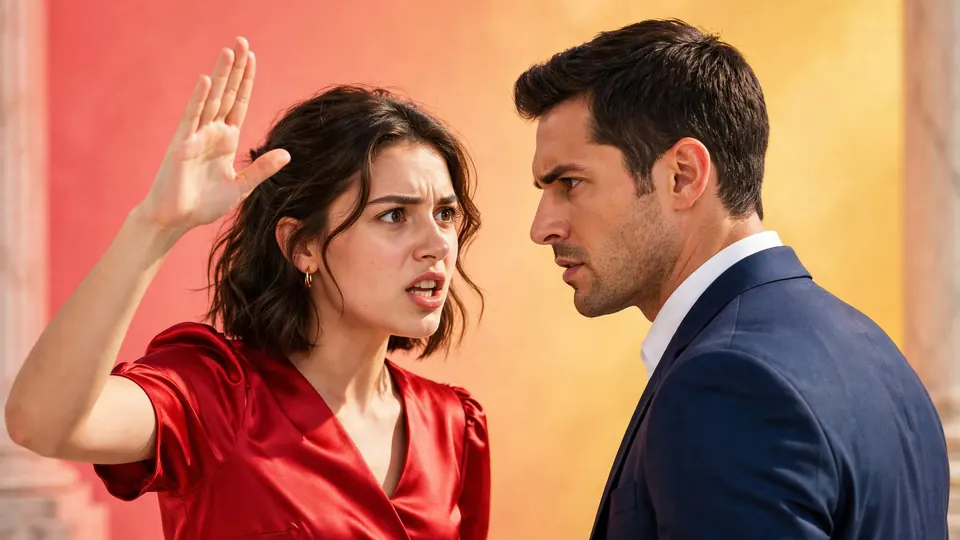
A live-action vertical micro drama, episode 1: on her wedding day a bride reads a message on the groom's phone and walks down the aisle anyway, smiling. End on a cliffhanger when she takes the microphone.
A bride reads a message in the chapel doorway and smiles.
A cafe worker meets the man who steps out of the black car.
How to make a vertical series in 5 steps
Step 1. Plan the series in one paragraph
Write who the series follows, what they want over the whole season and the one secret the viewer knows. You will make one episode at a time, and each episode is its own project, so a short plan keeps them aligned.
- Costs
- Nothing. This step is on paper.
Step 2. Start a 9:16 project for episode 1
Choose the vertical shape when you start. A Ziztu project can also be 16:9, but TikTok, Reels and Shorts play 9:16 full screen, so choose it from the first shot.
Step 3. Plan one episode of one to three minutes
Let the Director plan the shots. Vertical episodes work with short shots and a change every 20 to 30 seconds. In a count we made of ten trending AI micro dramas on 29 September 2026, the median shot ran 2.1 seconds and lines averaged 5.4 words.
- Our count
- 10 trending AI micro dramas, watched 29 September 2026
Step 4. Keep the same cast for episode 2
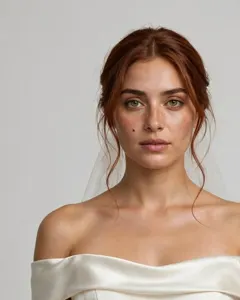
A new episode is a new project, so keep the character sheet images from episode 1 and add them to it as the reference images of each character. The face and outfit you chose carry over.
Step 5. Export, caption and post
Add captions on the timeline, because many viewers watch with the sound off, and export an MP4 up to 1080p. Upload it to each app and turn on the AI label that TikTok, Instagram and YouTube ask for on realistic AI video.
- Export
- MP4 up to 1080p
- Rights
- Every paid plan includes commercial use
A worked example: episode 1 of a series
The Wrong Wedding is a 9:16 episode of 32 seconds that ends on a woman in red in the doorway. That last shot is the hook for episode 2: who is she? The same Maya and Daniel would walk into the next project with their sheets.
| Time | Shot | Job in the episode |
|---|---|---|
| 0 to 5 s | Aisle procession | The hook: the bride is already walking |
| 5 to 10 s | Daniel at the altar | A line that sounds kind |
| 10 to 16 s | The quiet truth | The turn: she says what she knows |
| 16 to 20 s | Daniel freezes | The reaction: he cannot lie his way out |
| 20 to 25 s | Taking the microphone | The peak: she takes the microphone |
| 25 to 28 s | Doors swing open | A breath: the doors |
| 28 to 32 s | The woman in red | The cliffhanger: a stranger in red |
A new episode is another project of about the same size. At 768P the seven clips of this one are 320 credits, about $3.84 on Starter, before pictures, voices, music and retakes.
Mistakes that cost credits
- Making episodes too long. One to three minutes is the format. A longer episode loses viewers before the cliffhanger.
- Changing the cast between episodes. Reuse the sheet images. A new face in episode 2 reads as a new character.
- Forgetting the safe area. Apps place buttons and captions at the bottom and right edge. Keep faces in the middle of the frame.
- No cliffhanger. The episode must stop on a peak, not after it. See the cliffhanger guide.
- Posting without the AI label. TikTok, YouTube and Instagram ask creators to label realistic AI video. Turn the label on.
Why Ziztu for this job
- Ziztu turns one idea into a whole micro drama or anime episode, with the same characters in every shot.
- Micro dramas and anime are made in one place, on one credit balance, with voices, music and captions on one timeline.
- Plans start at $12 a month for 1,000 credits. On Starter, a 5 second clip costs about $0.37 at 480p or $0.60 at 768p.
- A series needs the same cast every week, and a Ziztu character sheet is a file you keep and reuse in the next episode.
Start this in Ziztu
Start episode 1 with this idea and change anything.
A live-action vertical micro drama, episode 1: on her wedding day a bride reads a message on the groom's phone and walks down the aisle anyway, smiling. End on a cliffhanger when she takes the microphone.
40 free credits, no card: write the script, cast your characters, draw the storyboard and hear the voices. Video starts at $12. You see the price before every generation.
Keep going
- How to make an AI micro drama for the steps of one episode.
- Write a cliffhanger for a micro drama for the last shot of each episode.
- Keep characters consistent in AI video for the same cast across episodes.
- AI TikTok video generator for a single vertical clip.
- AI Shorts generator for a single clip for Shorts.
- Ziztu vs Higgsfield if you are comparing tools for social video.
Frequently asked questions
How do I make a series for TikTok with AI?
Start a 9:16 project, plan one episode of one to three minutes, keep the same character sheets for every episode and end each episode on a cliffhanger. Export an MP4 and post it with the AI label on.
Does Ziztu make a whole season at once?
No. You make one episode at a time, and each episode is its own project. That keeps every episode in your hands, and you reuse the character sheets from one to the next.
What size should a vertical episode be?
The shape is 9:16, the full-screen shape of TikTok, Reels and Shorts. Choose it when you start the project, and Ziztu exports an MP4 up to 1080p.
Can I post AI episodes commercially?
Yes. Every paid plan includes commercial use. Label realistic AI video in each app, and use invented characters, not real people.
How much does an episode cost?
The seven clips of the 32 second example cost 320 credits at 768P, about $3.84 on Starter, before pictures, voices, music and retakes. The price of each generation is shown first.